9985772614
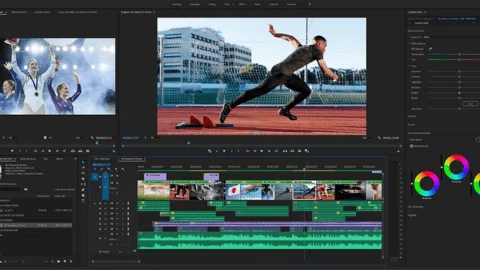
Raster FX Studios is widely recognized as one of the best video editing training institutes in Hyderabad. The institute offers a well-structured video editing course that focuses on equipping students with comprehensive skills in professional video editing using industry-standard software such as Adobe Premiere Pro, Adobe After Effects, and other essential multimedia tools. The training emphasizes practical hands-on learning through real-time projects, allowing students to gain valuable experience and build a strong video editing portfolio. Raster FX Studios provides both online video editing classes and offline training options to suit different learning preferences, ensuring flexibility for students. Additionally, the institute offers 100% placement assistance and career support, guiding students toward job opportunities in media production, advertising, and film editing industries. Their expert instructors bring years of industry experience, helping learners understand not only the technical skills but also the creative aspects of digital video editing. With a focus on developing professional showreels and portfolios, Raster FX Studios ensures students are well-prepared to enter the competitive world of video editing careers. Located in multiple convenient areas across Hyderabad, it is a top choice for anyone seeking quality video editing training and professional growth. Best Video Editing training institute in Hyderabad.
Raster FX Studios offers the best video editing training in Hyderabad, designed to develop professional skills in Adobe Premiere Pro, After Effects, and other industry-standard tools. Their hands-on video editing course includes real-time projects and portfolio building, with both online and offline learning options. Students benefit from expert instructors and 100% placement assistance, preparing them for careers in media production, film editing, and digital content creation. Best Video Editing training institute in Hyderabad.
Interface walkthrough and workspace customization
Importing and organizing media files
Basic editing tools: cutting, trimming, and splitting clips
Timeline management and sequence settings
Working with audio: syncing, editing, and mixing sound
Multi-camera editing and nested sequences
Applying transitions and effects
Color correction and color grading basics
Working with keyframes and motion graphics
Understanding motion graphics and visual effects
Creating and animating text layers
Basic compositing techniques and masking
Using effects and presets for creative enhancements
Noise reduction and audio enhancement tools
Adding sound effects and background music
Voiceover editing and synchronization

Learn from experienced professionals with real industry knowledge.
Get dedicated support to help you land your dream job.
Course content tailored to current industry standards and trends.
Flexible learning options to suit your schedule and preferences.
A Video Editing course is a professional training program that teaches students how to create, edit, enhance, and finalize videos for films, advertisements, social media, television, YouTube channels, and OTT platforms. Students learn editing techniques, color grading, audio enhancement, motion graphics, and storytelling skills using industry-standard editing software.
Anyone interested in video production and digital content creation can join a Video Editing course. Students who have completed 10th grade, Intermediate, Diploma, or Graduation are generally eligible. Working professionals, freelancers, YouTubers, business owners, and content creators can also enroll to improve their video production skills.
Most Video Editing courses provide training in popular editing software such as Adobe Premiere Pro, Adobe After Effects, DaVinci Resolve, Adobe Audition, and Photoshop. Some institutes may also introduce Final Cut Pro and other tools used by professional editors in the film, television, and digital media industries.
A Video Editing course typically covers video cutting, transitions, timeline management, color correction, color grading, audio synchronization, sound effects, green screen editing, motion graphics, title animation, storytelling principles, rendering techniques, and exporting videos for different platforms and devices.
Yes, most Video Editing courses are designed for beginners and start with fundamental concepts before moving to advanced editing techniques. Students learn through hands-on exercises, practical projects, and guided assignments, making it easier to build confidence and gain professional editing skills.
Completing a Video Editing course can lead to careers as a Video Editor, Motion Graphics Designer, Post-Production Artist, Social Media Editor, YouTube Video Editor, Content Creator, Film Editor, Television Editor, or Freelance Video Specialist. Opportunities exist across media, entertainment, marketing, and corporate sectors.
Entry-level video editors in India can earn between ₹2.5 lakh and ₹6 lakh per year. Salary packages vary depending on editing skills, portfolio quality, software expertise, project experience, and company requirements. Freelancers and experienced editors often have the potential to earn significantly higher incomes.
The time required to learn video editing depends on the course duration and learning pace. Basic editing skills can be acquired within a few months, while mastering advanced techniques such as color grading, motion graphics, and cinematic editing may require six to nine months of dedicated practice.
Yes, most reputed institutes include practical assignments, advertisements, short films, social media videos, documentaries, and client-based projects. Working on real-world editing tasks helps students understand professional workflows and develop a portfolio that demonstrates their creative and technical capabilities.
Yes, many institutes award a course completion certificate after students successfully finish training and submit required projects. Although certifications enhance credibility, employers usually focus more on practical editing skills, creativity, and the quality of the candidate’s portfolio.
The fee for a Video Editing course in India generally ranges from ₹20,000 to ₹1,50,000, depending on course duration, software access, faculty expertise, infrastructure, project opportunities, and placement support. Online courses may have different pricing structures compared to classroom-based training.
Yes, many institutes offer online Video Editing courses with live sessions, recorded classes, project reviews, and mentorship support. Online learning provides flexibility for students, working professionals, and entrepreneurs who want to develop editing skills without attending physical classrooms.
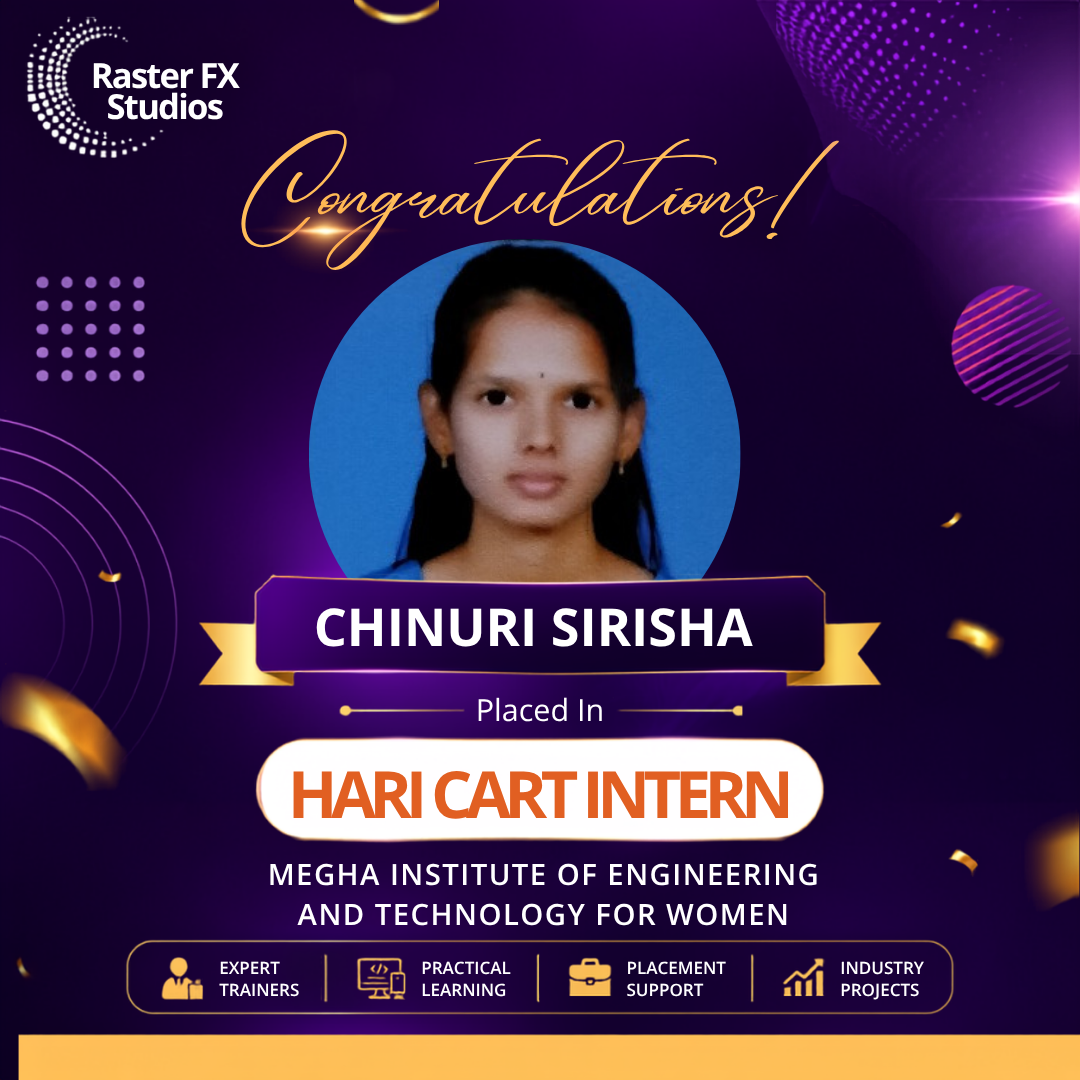
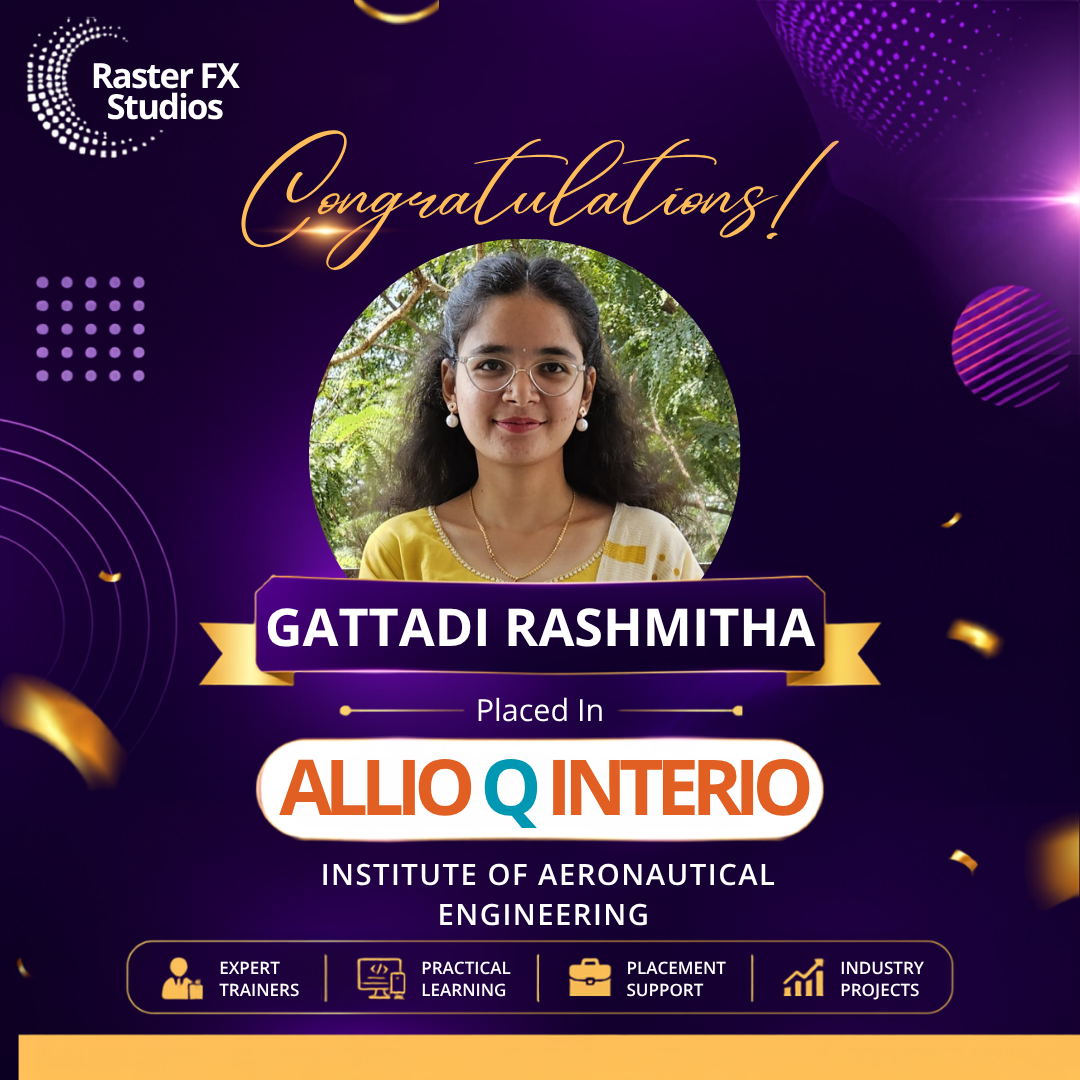
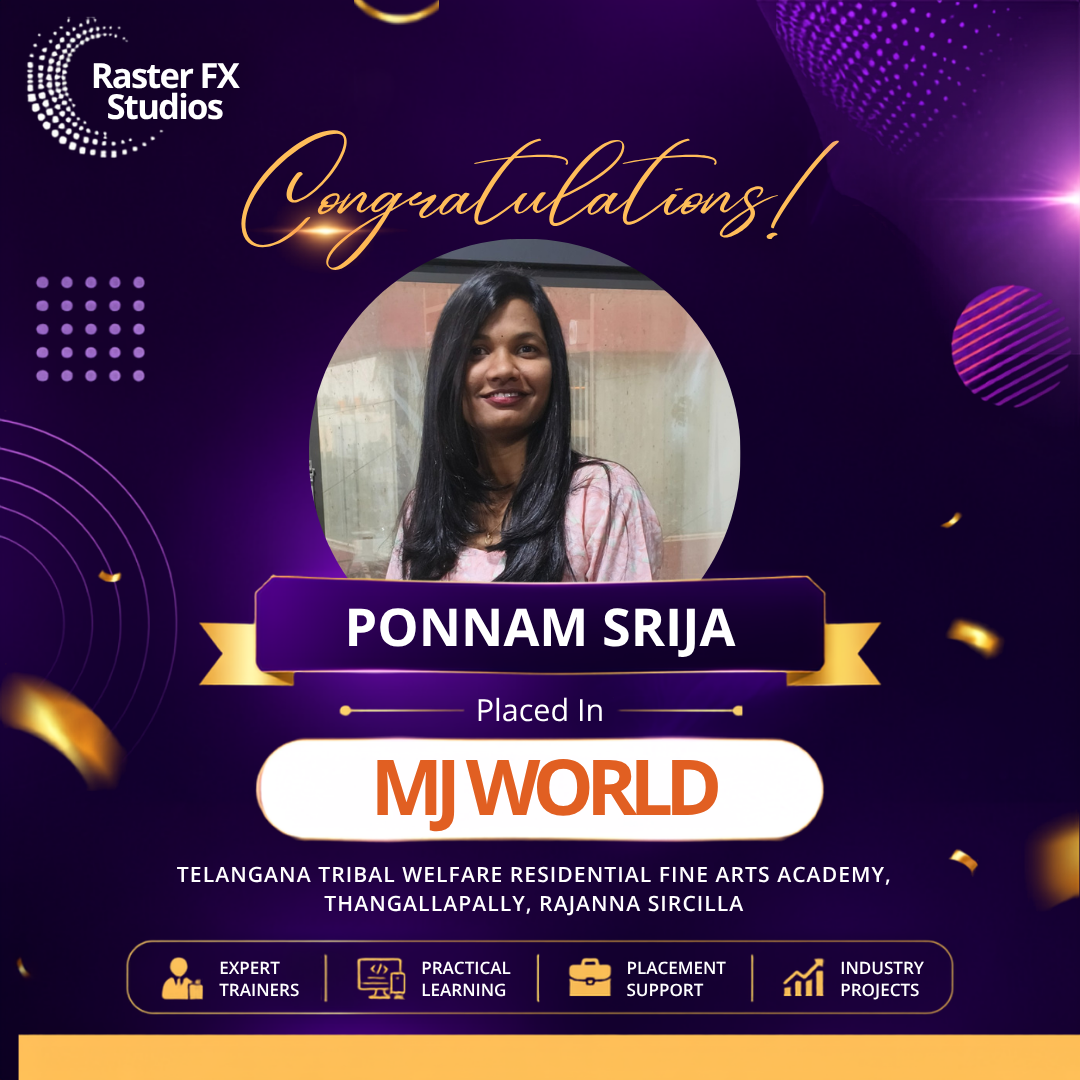
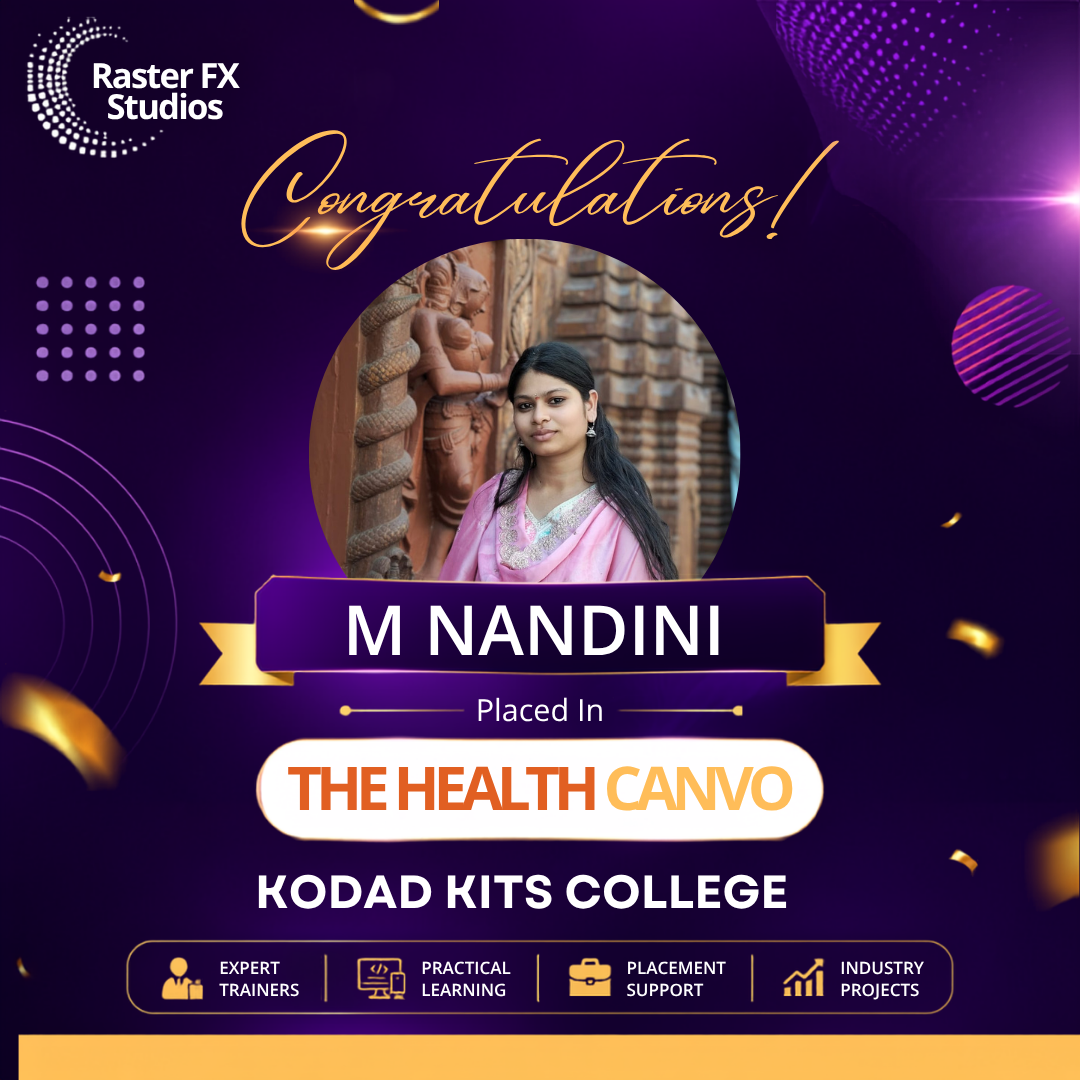
Several training institutes provide placement support that includes resume preparation, interview guidance, portfolio reviews, internship opportunities, and job referrals. Placement assistance helps students connect with media companies, production houses, advertising agencies, and digital marketing firms.
Video Editing involves arranging and refining video clips, audio, and visual elements to create a final production. Motion Graphics focuses on creating animated text, graphics, and visual effects. Many professional Video Editing courses include motion graphics training to help students expand their creative skill sets.
Yes, freelancers with strong portfolios can find opportunities editing videos for YouTubers, influencers, businesses, filmmakers, educational institutions, and marketing agencies. Freelancing allows editors to work remotely, manage multiple clients, and build a flexible career in the growing content creation industry.
A Video Editing course helps students develop technical skills, storytelling abilities, and creative expertise required for today’s digital-first world. With the increasing demand for video content across industries, learning professional editing techniques can open doors to diverse career and freelance opportunities.
Successful video editors require creativity, attention to detail, storytelling skills, communication abilities, time management, and proficiency in editing software. Understanding color theory, sound design, pacing, and audience engagement also helps editors create visually appealing and impactful videos.

Yes, many institutes offer weekend classes, evening batches, and online learning options specifically designed for working professionals. Flexible schedules enable learners to upgrade their skills, pursue creative interests, and transition into video editing careers while maintaining their current employment.
When selecting a Video Editing course, consider factors such as curriculum quality, software training, faculty experience, practical assignments, student testimonials, placement assistance, and portfolio-building opportunities. Comparing multiple institutes and attending demo classes can help you make an informed decision.
A portfolio showcases your editing style, technical abilities, and project experience. Employers and clients often review portfolios before hiring editors because they provide evidence of real-world skills and creativity. A well-structured portfolio significantly improves your chances of securing jobs, internships, and freelance projects.