- +91 9985772614
- info@rasterfxstudios.com
- +91 9391271959

 Skip to content
 Learn the fundamentals of Digital Compositing using industry-standard software like Foundry Nuke, Mocha Pro, and SilhouetteFX. Master node-based compositing, rotoscoping, motion tracking, green screen keying, paint & cleanup, and advanced compositing techniques through hands-on, production-based projects.
4.8 Rating ⭐⭐⭐⭐⭐
Placement Assistance
Our career experts will help you choose the right learning path.
Master the art of Digital Compositing with the 3-Month Diploma Program in Compositing at Raster FX Studio. This career-focused course is designed for beginners and aspiring compositing artists who want to build industry-ready skills for the VFX and post-production industry.
Learn to create seamless visual effects using industry-standard software such as Foundry Nuke, Mocha Pro, and SilhouetteFX. Gain hands-on experience in node-based compositing, rotoscoping, motion tracking, paint & cleanup, green screen keying, masking, matchmoving, and advanced compositing workflows used in feature films, OTT productions, TV commercials, and digital content.
With a project-based learning approach, you’ll work on real production-style assignments that help you understand professional VFX pipelines and post-production workflows. Throughout the program, you’ll develop strong technical skills, creative problem-solving abilities, and a portfolio of production-quality compositing projects.
Build a successful career in Digital Compositing with the 3-Month Diploma Program in Compositing at Raster FX Studio. This intensive, industry-focused program is designed for beginners and aspiring compositing artists who want to master the techniques used in feature films, television, OTT platforms, advertising, and high-end digital productions.
Learn industry-standard software including Foundry Nuke, Mocha Pro, and SilhouetteFX, and gain practical experience in node-based compositing, rotoscoping, motion tracking, camera tracking, green screen keying, paint & cleanup, masking, matte creation, and advanced compositing workflows.
Through hands-on projects and production-based assignments, you’ll understand how professional compositors seamlessly combine multiple visual elements into realistic, cinematic shots. The course follows a professional VFX post-production pipeline, helping you develop both technical expertise and creative problem-solving skills required in today’s VFX industry.
You’ll also build a professional showreel and portfolio that showcases your compositing skills, preparing you for opportunities in VFX studios, post-production houses, advertising agencies, animation studios, and digital media companies.
By the end of the program, you’ll have the confidence and industry-ready skills to begin your career as a Junior Compositor, Nuke Compositing Artist, Roto Artist, Paint & Prep Artist, Matchmove Artist, or pursue advanced VFX specialization.










Learn from experienced professionals with real industry knowledge.
Get dedicated support to help you land your dream job.
Course content tailored to current industry standards and trends.
Flexible learning options to suit your schedule and preferences.


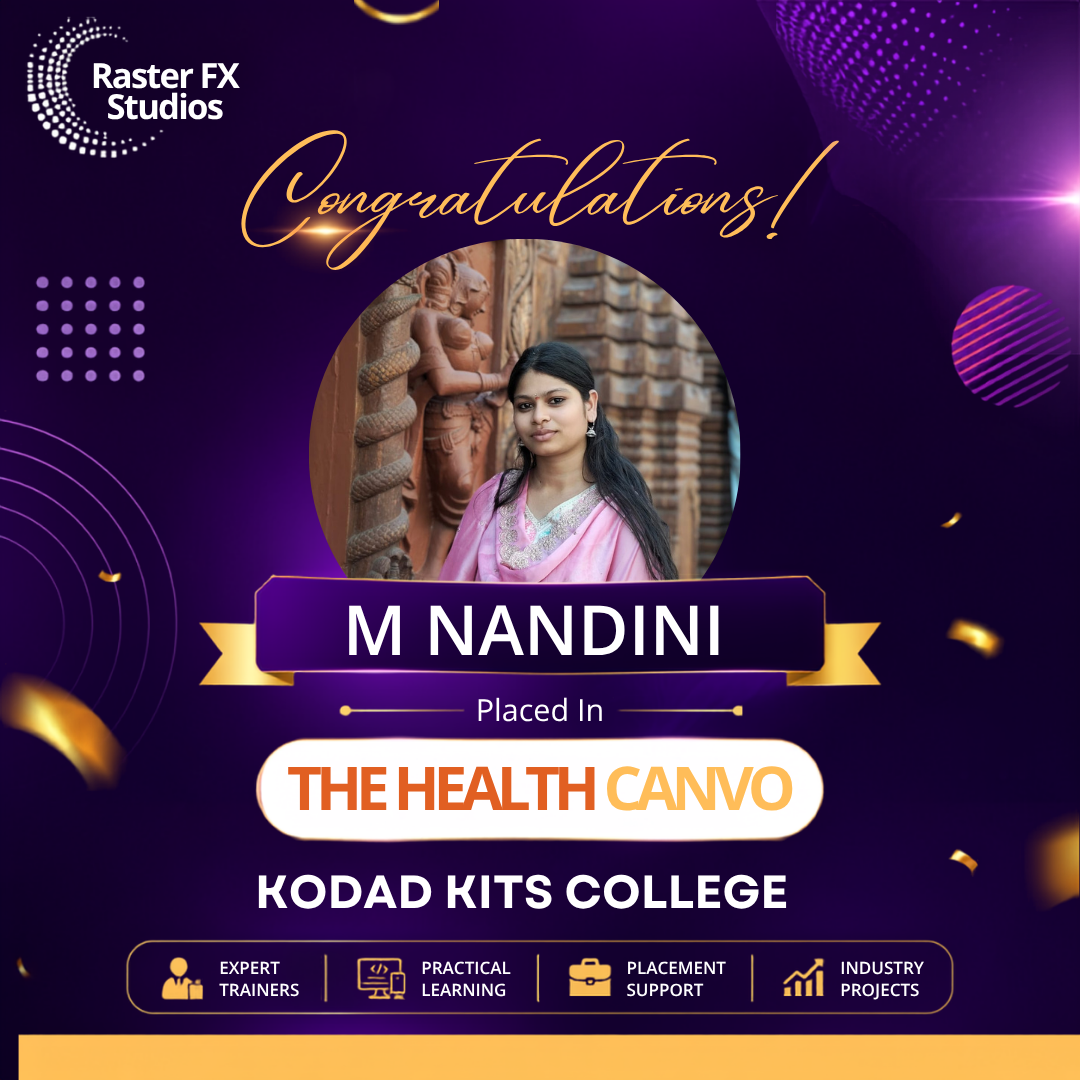

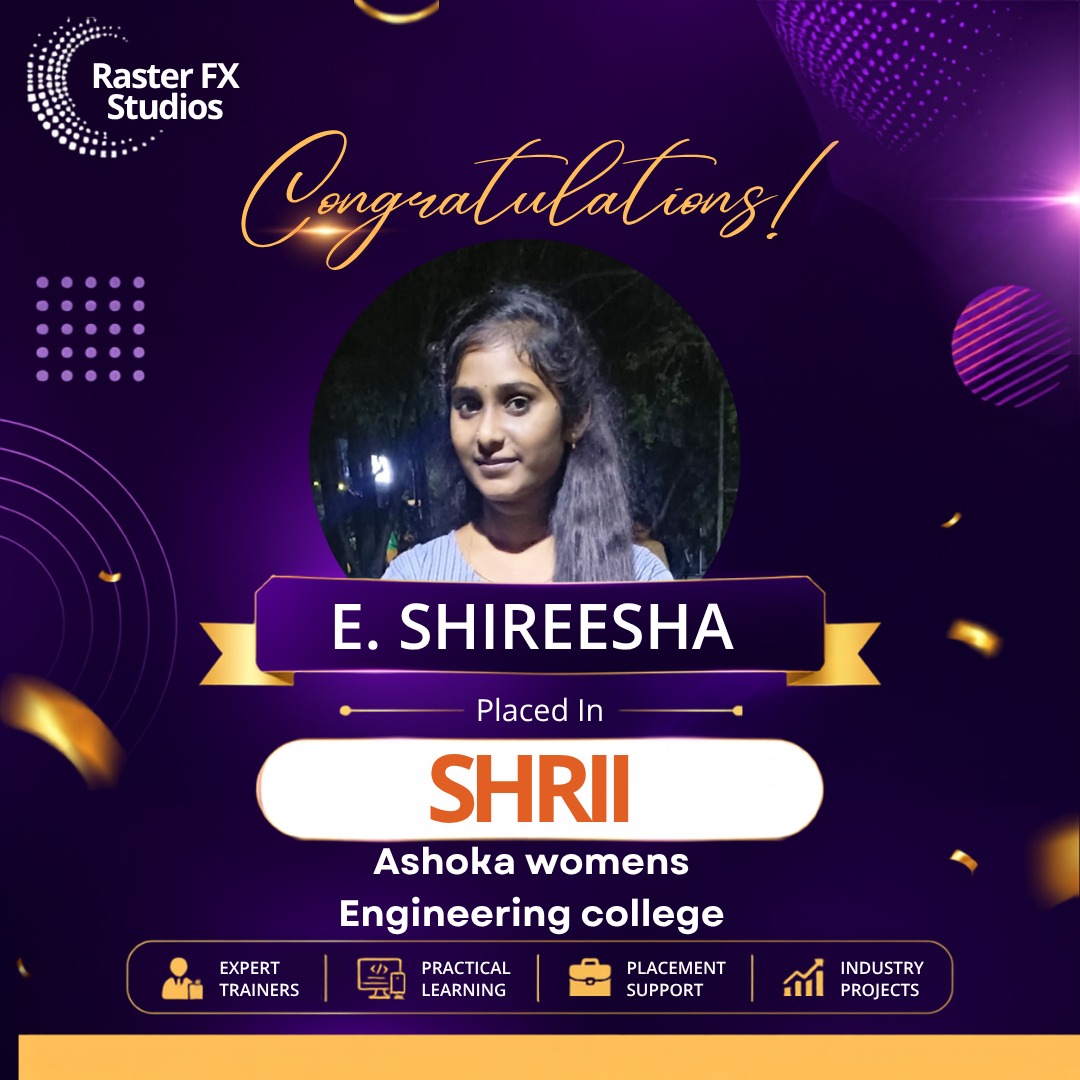
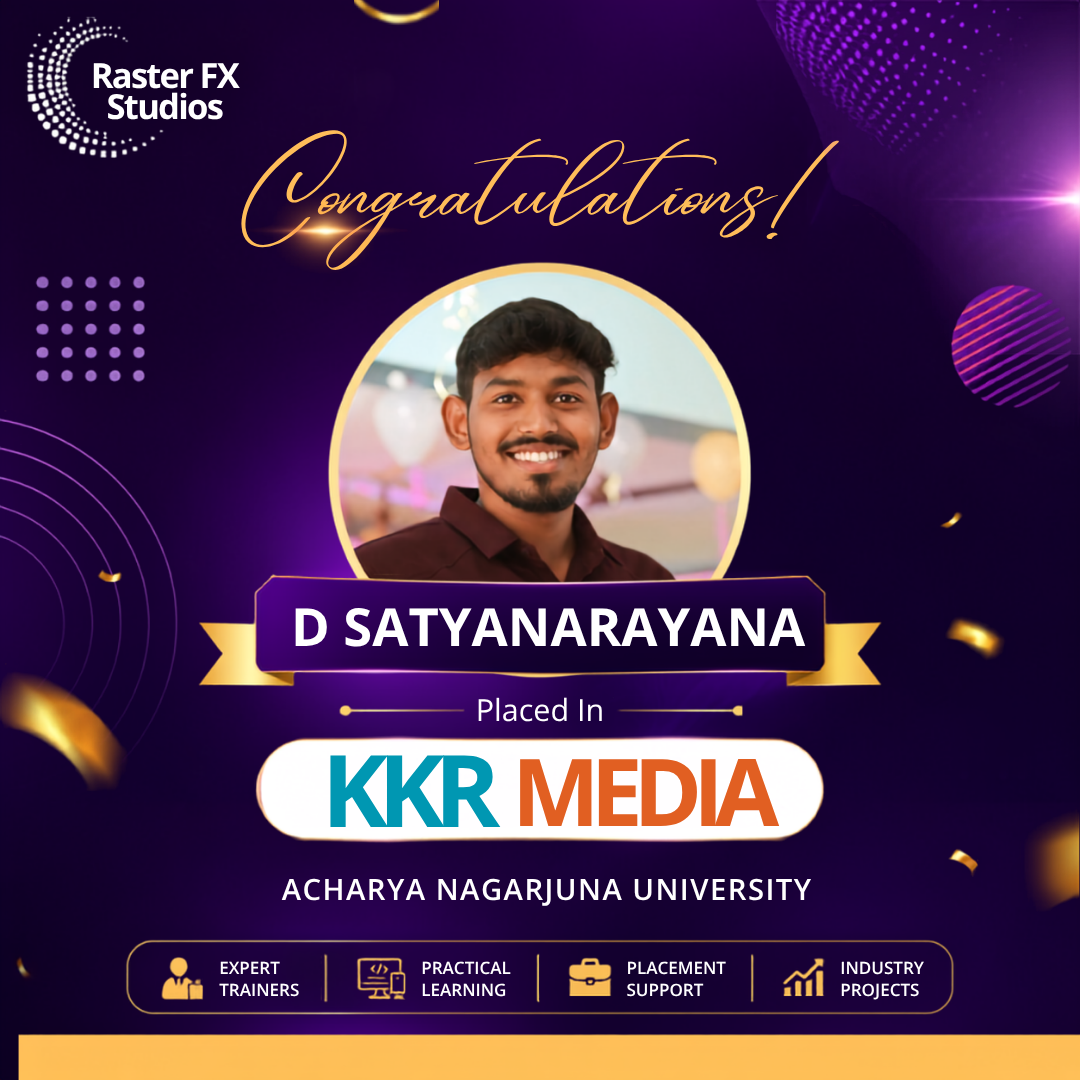

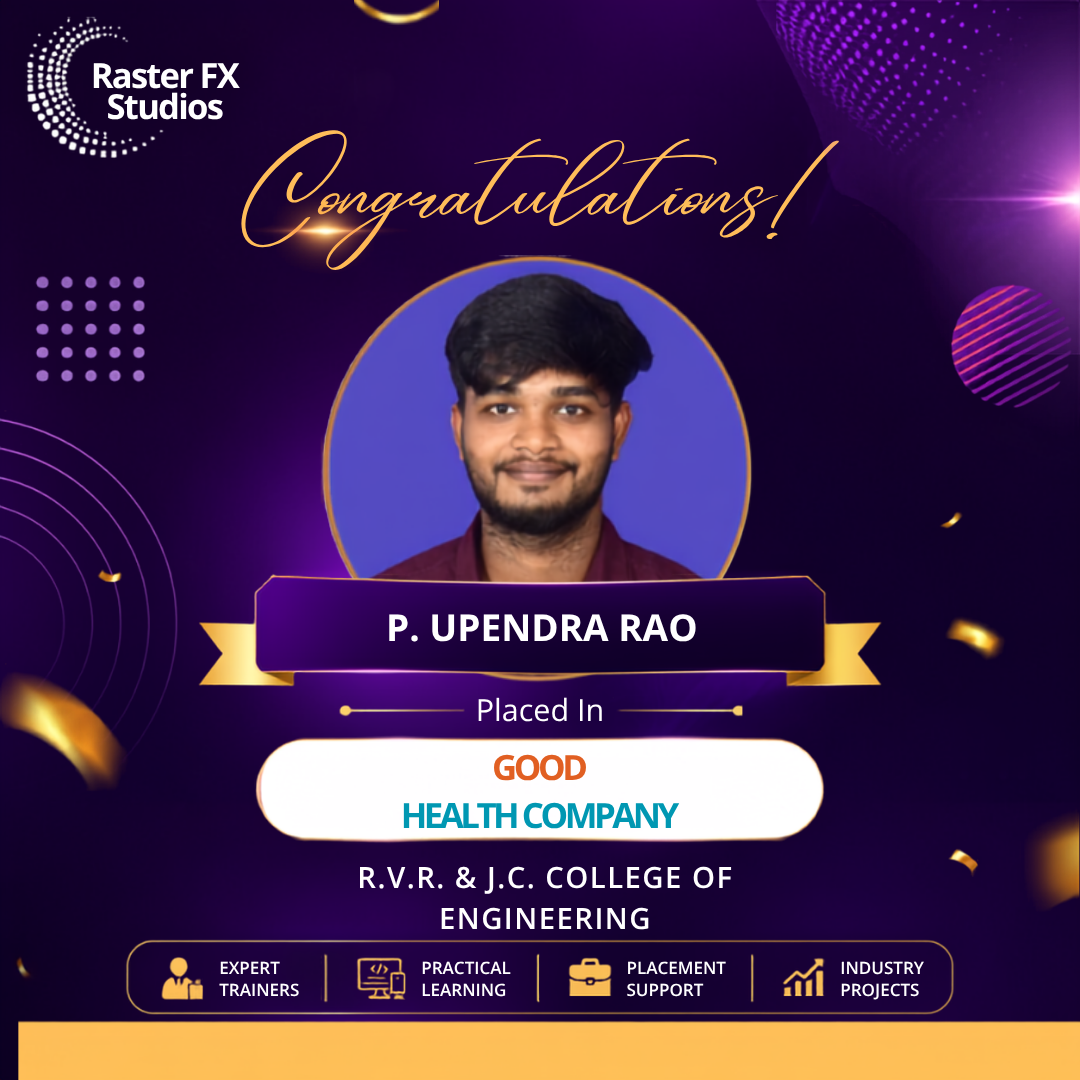




A 3-month VFX course is a short-term training program designed to teach visual effects fundamentals, compositing, motion tracking, green screen techniques, rotoscoping, and rendering. It helps beginners and aspiring artists gain practical skills needed for entry-level jobs in film production, advertising, gaming, and digital media industries.
Anyone interested in visual effects can join a 3-month VFX course. Students who have completed 10th, Intermediate, Degree, or professionals seeking career changes are eligible. No prior experience in animation or design is usually required, making it suitable for beginners and creative enthusiasts.
Most 3-month VFX courses include training in industry-standard software such as Adobe After Effects, Adobe Premiere Pro, Nuke basics, Blender, Mocha for tracking, and Photoshop. The software covered may vary depending on the institute and curriculum structure.
A typical 3-month VFX course covers compositing, green screen keying, rotoscoping, motion tracking, camera tracking, matte painting, color correction, particle effects, masking techniques, rendering workflows, and portfolio development to prepare students for real-world projects.
A 3-month VFX course can help students qualify for entry-level positions if they develop strong practical skills and create a professional portfolio. Success depends on project quality, software proficiency, creativity, and continuous learning after course completion.
Graduates can apply for roles such as VFX Artist, Compositor, Rotoscope Artist, Motion Graphics Designer, Video Editor, Matchmove Artist, and Junior Visual Effects Specialist. Opportunities are available in film studios, advertising agencies, television production houses, and digital marketing companies.
Freshers completing a 3-month VFX course can expect salaries ranging from ₹2.5 lakh to ₹5 lakh per year in India. Compensation varies based on location, portfolio quality, technical expertise, and the employer’s requirements.
Yes, beginners can learn VFX in three months with structured training, regular practice, and hands-on projects. Although mastering advanced techniques requires additional time, a focused course can build a solid foundation in visual effects production.
Most reputed institutes include practical assignments, studio exercises, and portfolio projects in their 3-month VFX courses. Working on real-world scenarios helps students understand production pipelines and improves their chances of securing internships or jobs.
Yes, many institutes provide a course completion certificate after successfully finishing training and projects. A certificate validates your learning, but employers generally give greater importance to practical skills and an impressive portfolio.
The fee for a 3-month VFX course in India generally ranges between ₹20,000 and ₹80,000. Pricing depends on factors such as software access, faculty experience, placement assistance, project work, and the institute’s reputation.
Yes, many training institutes offer online 3-month VFX courses with live classes, recorded sessions, assignments, and mentor support. Online learning provides flexibility for students and working professionals who want to learn from home.
Several institutes provide placement support, including resume building, interview preparation, portfolio reviews, internship opportunities, and job referrals. Placement assistance can help students connect with employers and improve their chances of getting hired.
VFX focuses on creating and integrating digital effects into live-action footage, while animation involves producing moving characters, objects, or environments from scratch. Both fields use creative and technical skills but serve different purposes in media production.
Yes, students with strong portfolios can start freelancing in video compositing, motion graphics, green screen editing, and visual effects services. Freelance opportunities are available through agencies, production companies, and online marketplaces.
A 3-month VFX course is ideal for learners seeking fast skill development and quicker entry into the job market. It provides focused training on essential visual effects techniques without requiring a long-term commitment.
Successful VFX artists need creativity, attention to detail, problem-solving abilities, storytelling skills, color understanding, and proficiency in compositing software. Consistent practice and staying updated with industry trends also contribute to career growth.
Yes, many institutes offer flexible schedules, weekend batches, and online sessions specifically designed for working professionals. This allows learners to upgrade their skills while continuing their current jobs.
Look for institutes that provide updated software training, experienced mentors, practical assignments, portfolio creation, placement support, and positive student reviews. Comparing curriculum details and demo classes can help you make an informed decision.
A portfolio demonstrates your practical abilities, creativity, and understanding of visual effects workflows. Employers often evaluate project quality more than certificates, making a well-designed portfolio one of the most valuable assets for securing VFX jobs.