- +91 9985772614
- info@rasterfxstudios.com
- +91 9391271959

 Skip to content
 9985772614
The 9-month Advanced Visual Effects Training program is structured to develop high-level skills in video editing, compositing, tracking, rotoscoping, color grading, and sound design using industry-standard software including Adobe Photoshop, Adobe Premiere Pro, Adobe Audition, DaVinci Resolve, Nuke, Silhouette, and Mocha. The course focuses on real-time, practical training through shot-based projects and professional workflows. Students will learn advanced techniques such as green screen keying, multi-layer compositing, paint and cleanup, planar tracking, and visual effects integration for film and digital media. Each software is taught in-depth according to its role in the VFX pipeline, helping learners build a complete skill set. The program concludes with portfolio development and final project work, preparing students for careers as compositors, VFX artists, roto/paint artists, colorists, and editors in the film, television, and advertising industries. Best Vfx training institute in Hyderabad.
The 9-month Advanced VFX course is designed to provide intensive training on software tools and techniques used in the film, television, and digital media industries. Students learn advanced compositing, keying, tracking, and cleanup workflows with software like Nuke and Silhouette, along with editing and color grading using Premiere Pro and DaVinci Resolve. This course emphasizes project-based learning and portfolio development to enhance job readiness. Best Vfx training institute in Hyderabad.
Advanced compositing techniques in Adobe After Effects
Motion graphics and animation basics
Rotoscoping and masking fundamentals using Silhouette
Green screen keying and chroma key techniques
Audio basics with Adobe Audition
Planar tracking with Mocha
Camera tracking and match moving fundamentals
Multi-layer compositing in Nuke
Visual effects integration and clean plate creation
Color grading basics with DaVinci Resolve
Advanced rotoscoping and paint work in Silhouette
Particle effects and simulations
Advanced color grading and look development in DaVinci Resolve
Sound design and mixing using Adobe Audition
Rendering workflows and output formats
End-to-end VFX shot creation from concept to final render
Showreel and portfolio compilation
Industry workflows, best practices, and client management
Interview preparation, freelancing, and job assistance
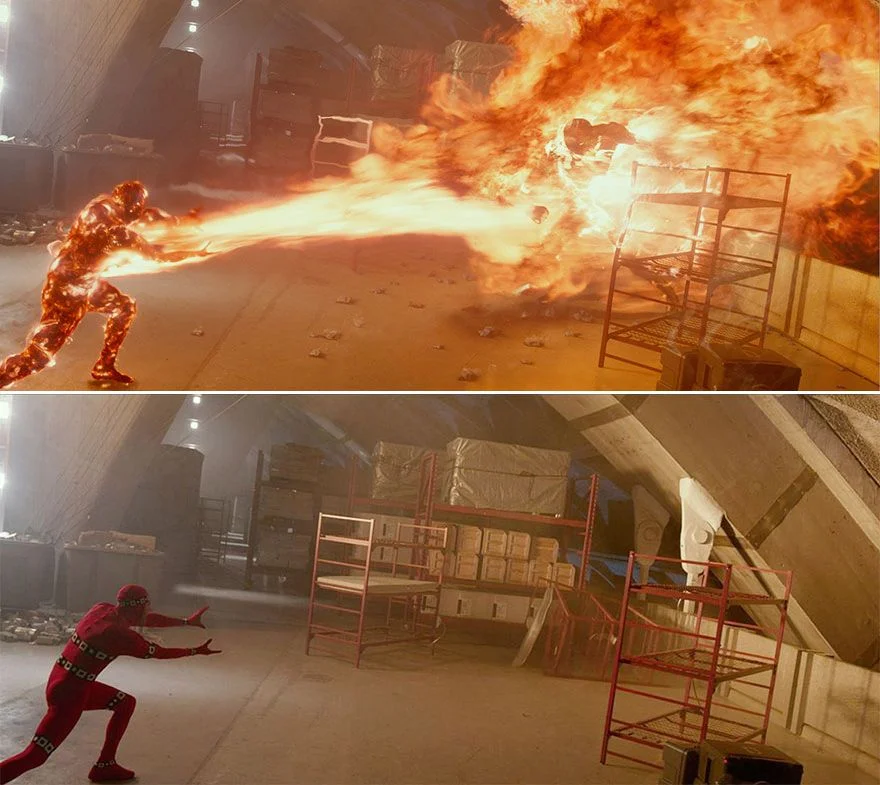
Learn from experienced professionals with real industry knowledge.
Get dedicated support to help you land your dream job.
Course content tailored to current industry standards and trends.
Flexible learning options to suit your schedule and preferences.

A 9-month VFX course is an advanced training program designed to provide in-depth knowledge of visual effects production. Students learn compositing, rotoscoping, motion tracking, matchmoving, matte painting, green screen keying, color grading, and VFX pipeline workflows. The course emphasizes practical projects and portfolio development to prepare learners for professional careers in the entertainment and media industries.
A 9-month VFX course is suitable for students who have completed 10th grade, Intermediate, Diploma, or Graduation. It is also ideal for working professionals and creative individuals seeking to build a career in visual effects. Most institutes accept beginners and do not require previous experience in animation or video production.
Students enrolled in a 9-month VFX course typically learn industry-standard software such as Adobe After Effects, Adobe Premiere Pro, Nuke, Blender, Mocha Pro, Photoshop, and DaVinci Resolve. Some institutes may also introduce advanced tools used in film production pipelines to help students gain practical industry exposure.
The curriculum generally includes compositing, rotoscoping, camera tracking, chroma keying, matte painting, particle simulations, motion graphics, cleanup techniques, color correction, rendering, and VFX pipeline management. Portfolio creation, production-based assignments, and real-time project execution are often included to strengthen practical skills.
Yes, a 9-month VFX course provides sufficient time to understand industry workflows, practice advanced techniques, and develop a strong portfolio. Students who actively participate in projects and continuously improve their skills can pursue entry-level and mid-level opportunities in visual effects studios and media companies.
After completing a 9-month VFX course, students can apply for positions such as VFX Artist, Compositor, Matchmove Artist, Roto Artist, Motion Graphics Designer, Cleanup Artist, Video Editor, and Junior Visual Effects Specialist. Opportunities are available in films, OTT platforms, television, gaming, advertising, and digital media sectors.
Fresh graduates from a 9-month VFX course can expect annual salaries ranging between ₹3.5 lakh and ₹7 lakh in India. Compensation depends on portfolio quality, technical expertise, project experience, location, and the company’s hiring requirements. Skilled professionals may receive higher salary packages.
Yes, beginners can effectively learn VFX within nine months through structured classroom sessions, practical assignments, and mentor guidance. This duration allows learners to understand both basic and advanced concepts while gaining hands-on experience with industry-standard software and production techniques.
Many institutes incorporate live projects, case studies, and production simulations into their 9-month VFX programs. Working on real-world assignments helps students understand studio environments, meet project deadlines, collaborate with teams, and build confidence before entering the job market.
Yes, most training institutes award a certificate upon successful completion of a 9-month VFX course. Certificates demonstrate formal training, but employers generally prioritize practical expertise, software proficiency, and an impressive portfolio when selecting candidates for VFX-related positions.
The fee for a 9-month VFX course in India usually ranges from ₹60,000 to ₹1,80,000. Costs vary based on the institute’s reputation, course modules, software access, faculty experience, placement assistance, and infrastructure facilities provided during training.
Yes, many institutes offer online 9-month VFX courses with live interactive sessions, recorded lectures, project mentoring, and one-on-one support. Online training enables students and working professionals to learn visual effects at their own pace while maintaining flexibility in their schedules.
Several institutes provide placement assistance through portfolio reviews, mock interviews, resume preparation, internship opportunities, and industry referrals. Placement support helps students connect with production houses, VFX studios, advertising agencies, and media companies seeking skilled professionals.
A 6-month VFX course mainly focuses on core concepts and software training, whereas a 9-month course offers more advanced modules, detailed production workflows, live projects, and portfolio development. The extended duration allows students to gain deeper expertise and industry readiness.
Yes, students who complete a 9-month VFX course and build a strong portfolio can pursue freelance opportunities. Services such as compositing, motion graphics, green screen editing, video post-production, and visual effects creation are in demand among agencies, filmmakers, and content creators.
A 9-month VFX course offers extensive hands-on training, exposure to industry-standard workflows, and opportunities to work on multiple projects. It is an excellent option for learners seeking comprehensive skill development and better preparation for careers in film, television, and digital media.
To succeed in the VFX industry, students should develop creativity, patience, problem-solving abilities, attention to detail, communication skills, and proficiency in compositing software. Understanding lighting, color theory, storytelling, and production workflows also contributes to long-term professional growth.
Yes, many institutes provide flexible schedules, weekend classes, and online learning options for working professionals. These programs allow learners to enhance their creative and technical skills while continuing their existing jobs or managing other commitments.
When selecting a 9-month VFX course, evaluate factors such as curriculum depth, software coverage, faculty expertise, student reviews, project opportunities, placement support, and industry collaborations. Comparing multiple institutes and attending demo sessions can help you make an informed decision.
A professional portfolio demonstrates your ability to apply VFX techniques in real projects and showcases your creativity and technical expertise. Employers and clients often assess portfolios before hiring, making it an essential tool for securing jobs, internships, and freelance opportunities in the visual effects industry.